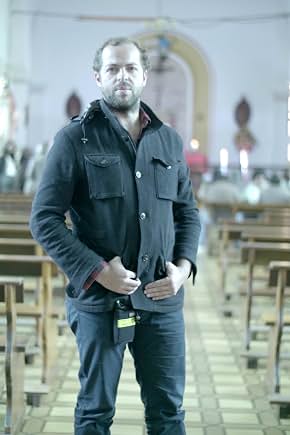
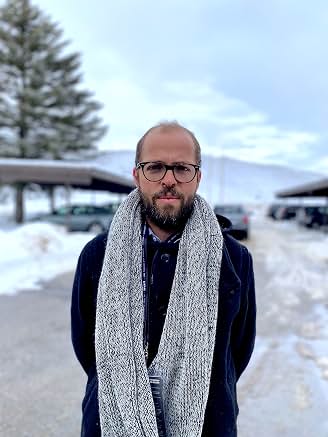
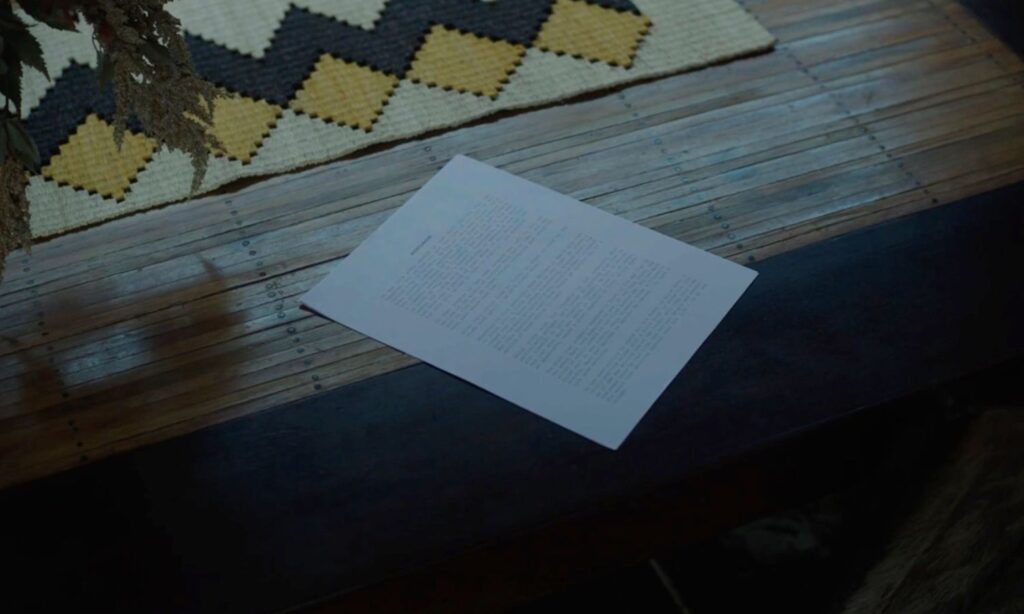
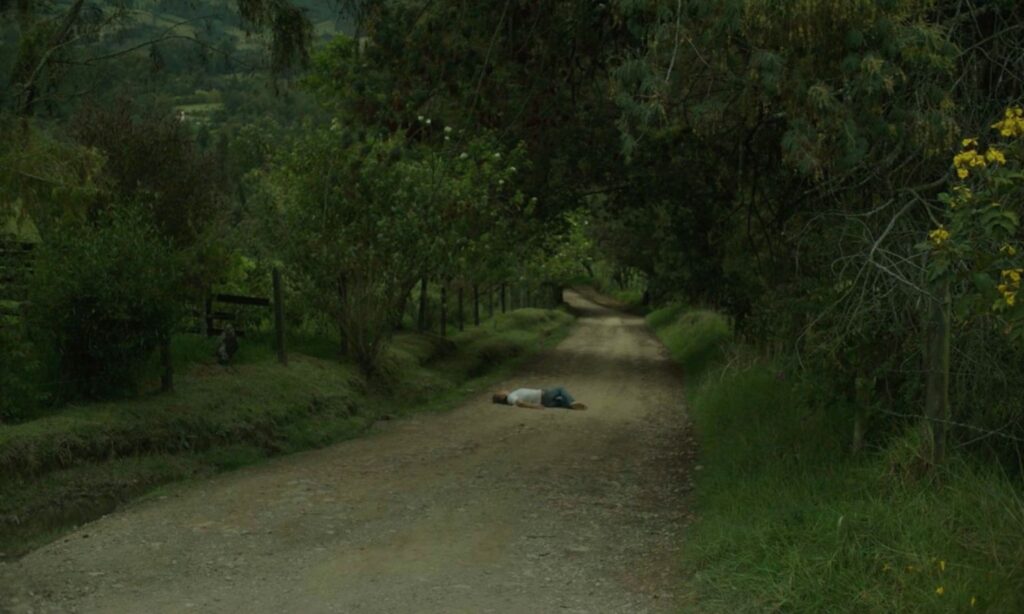
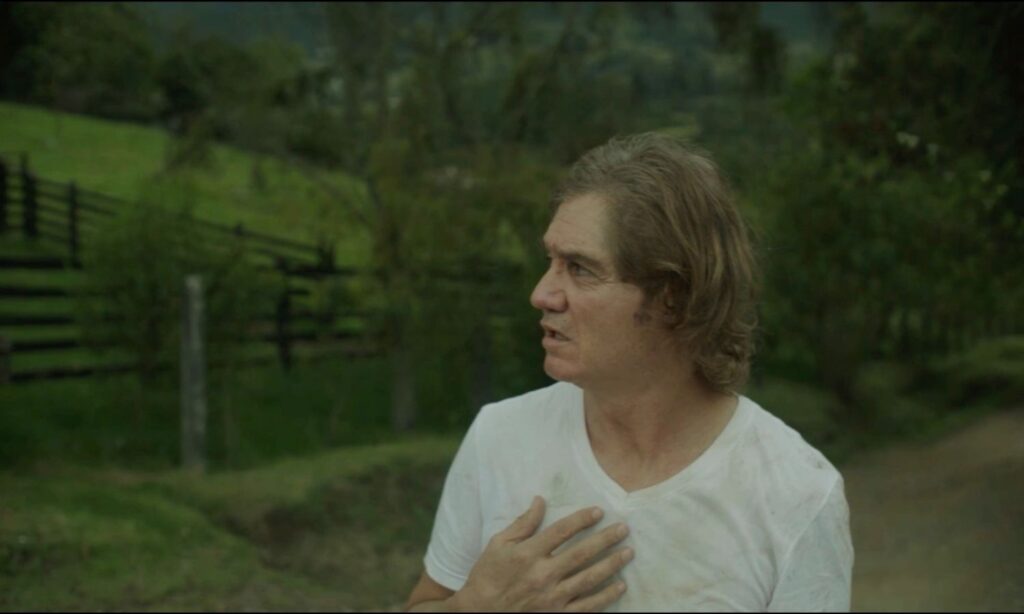
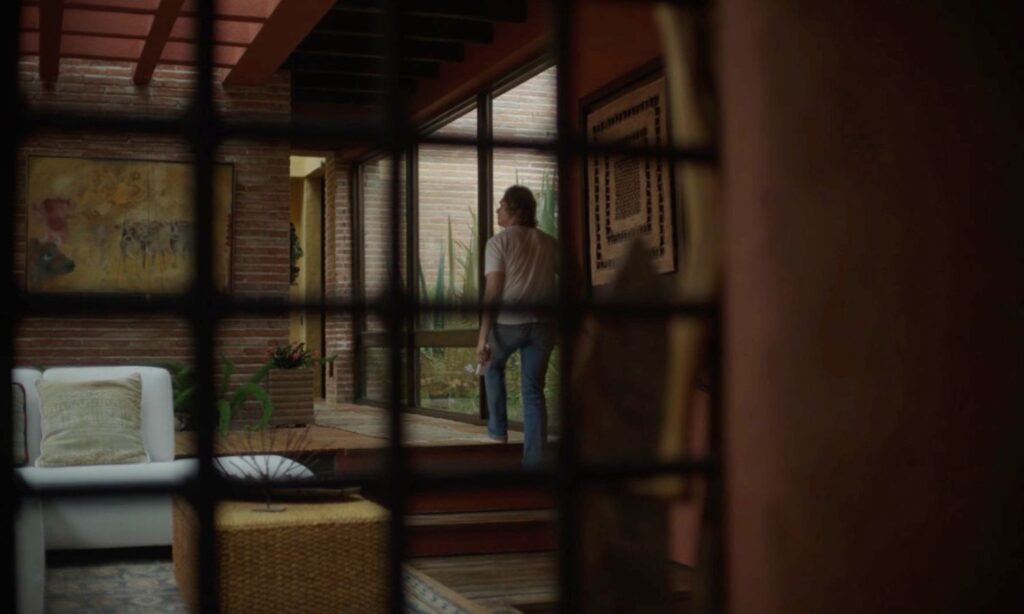
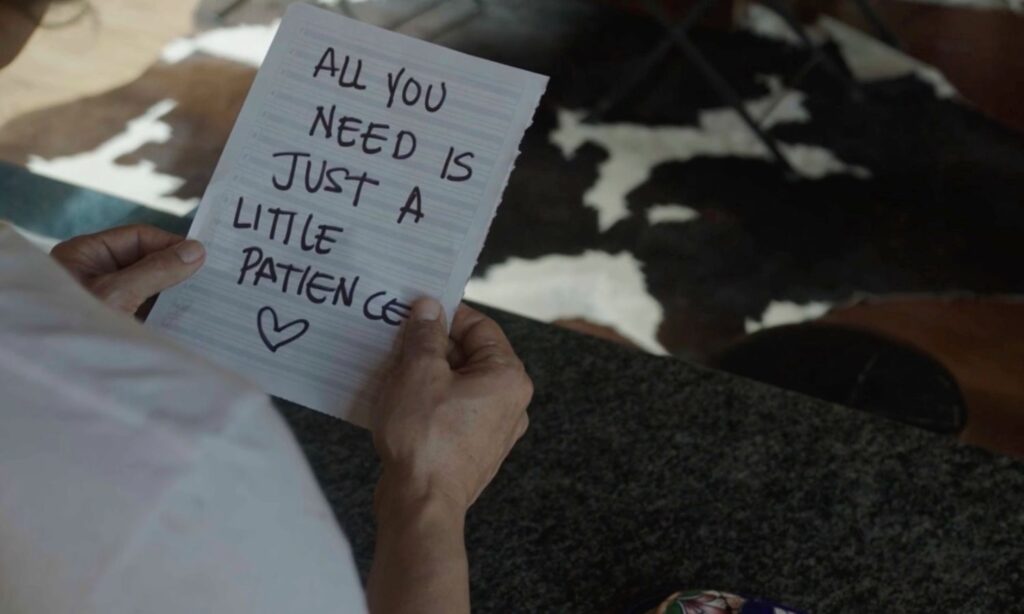
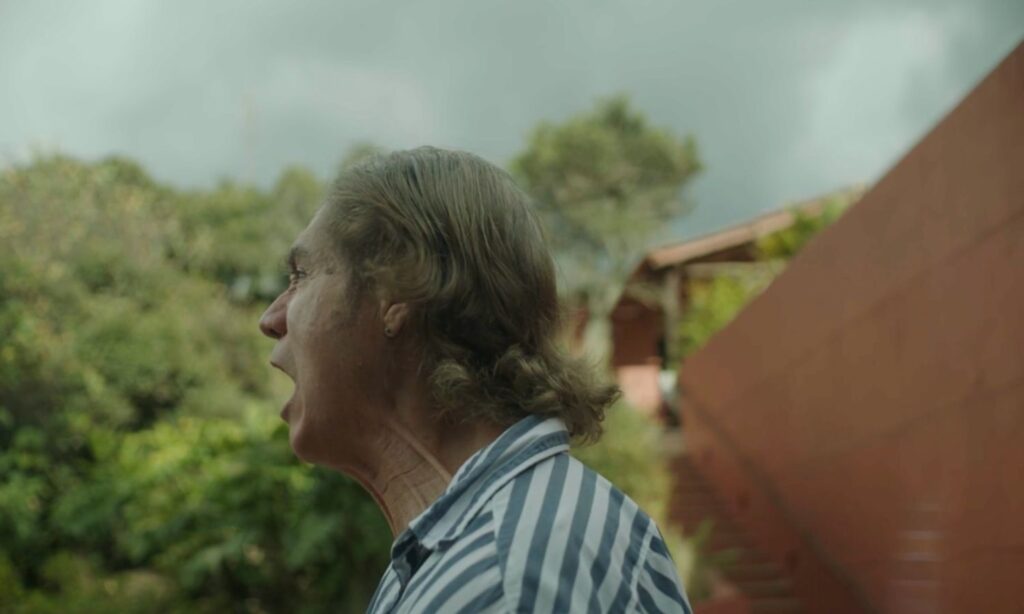
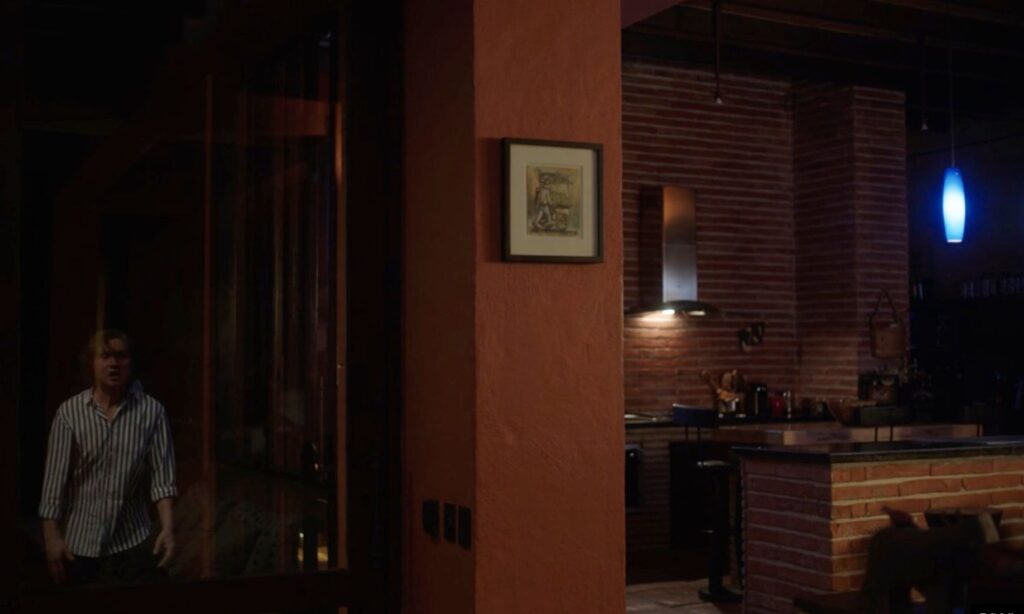
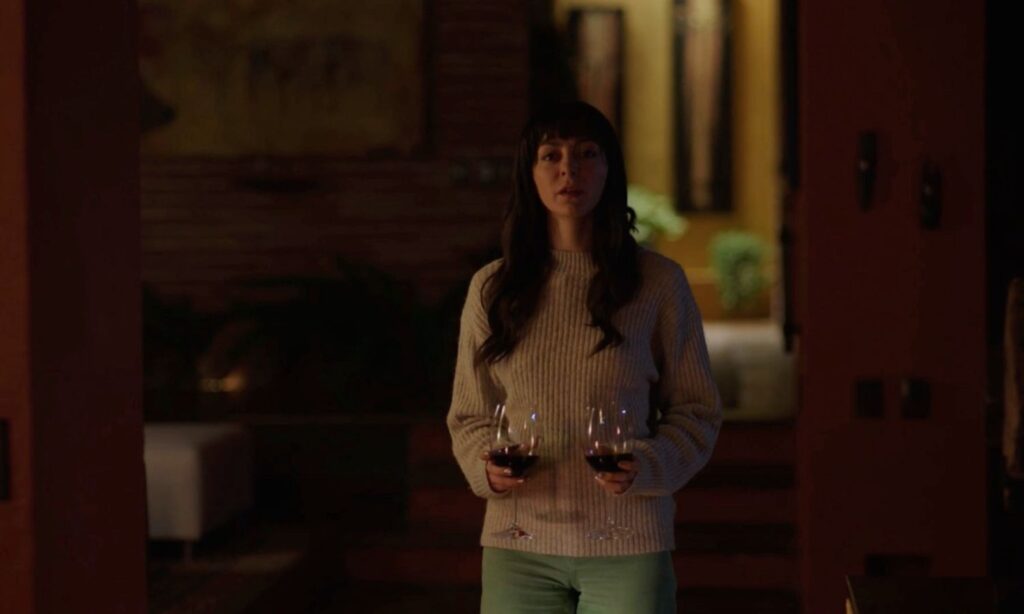
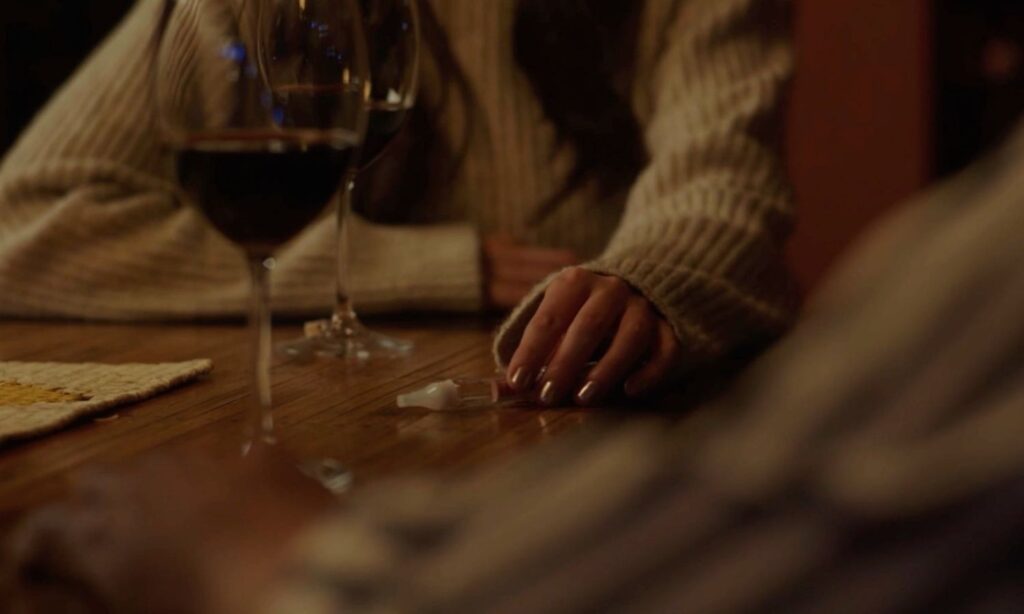
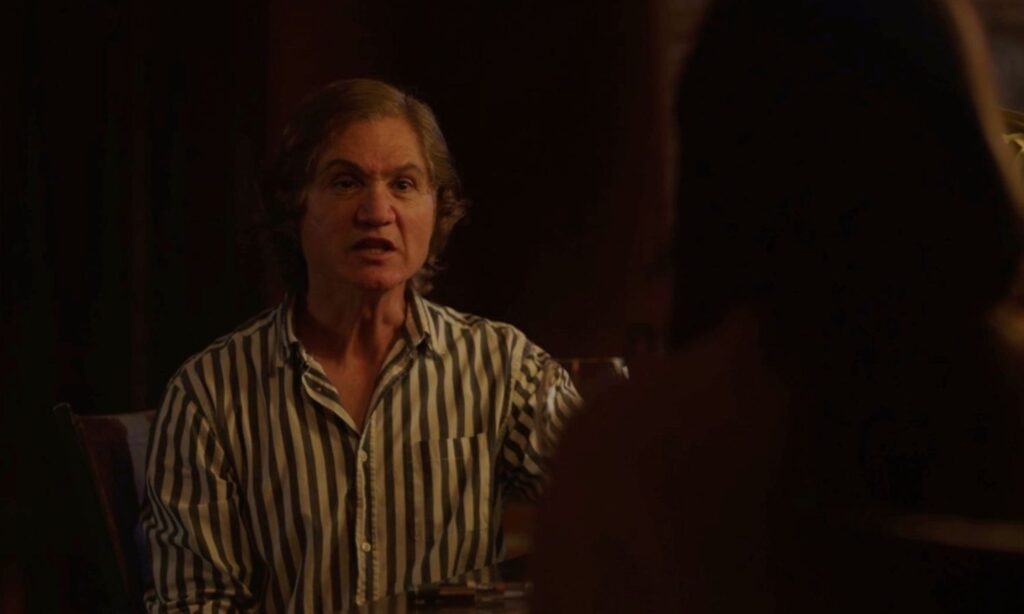
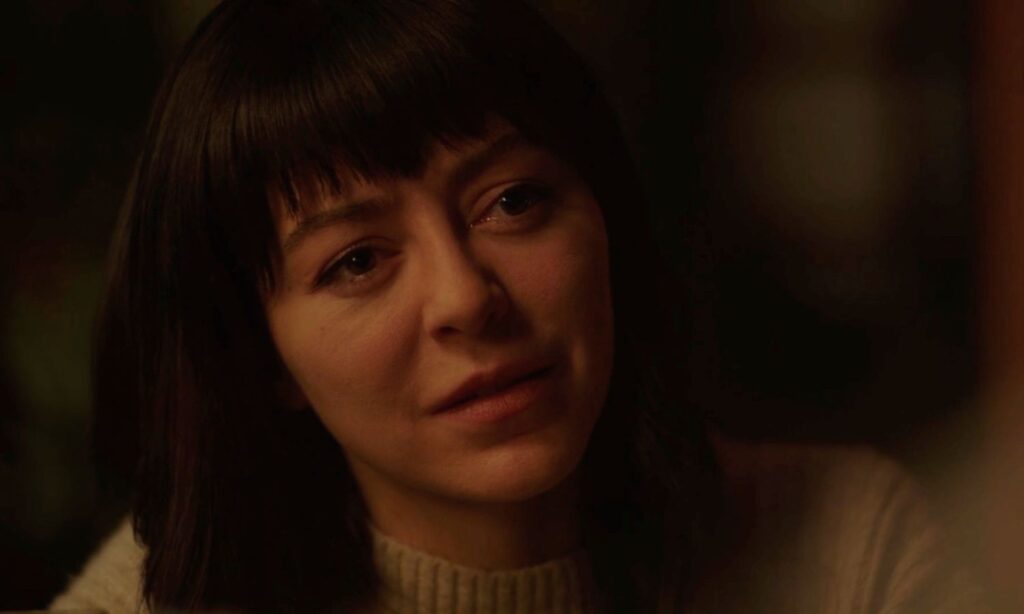
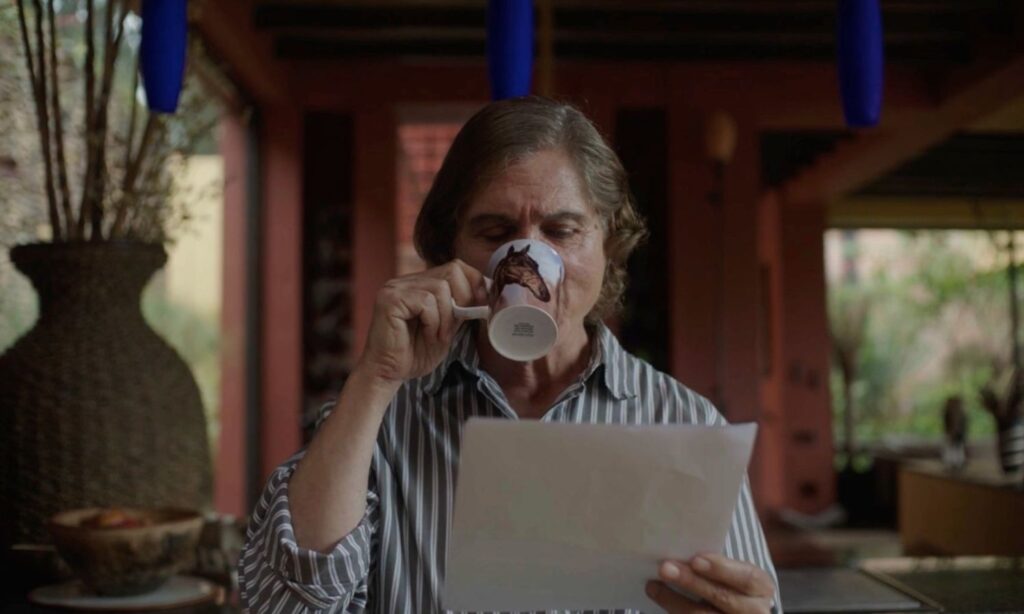
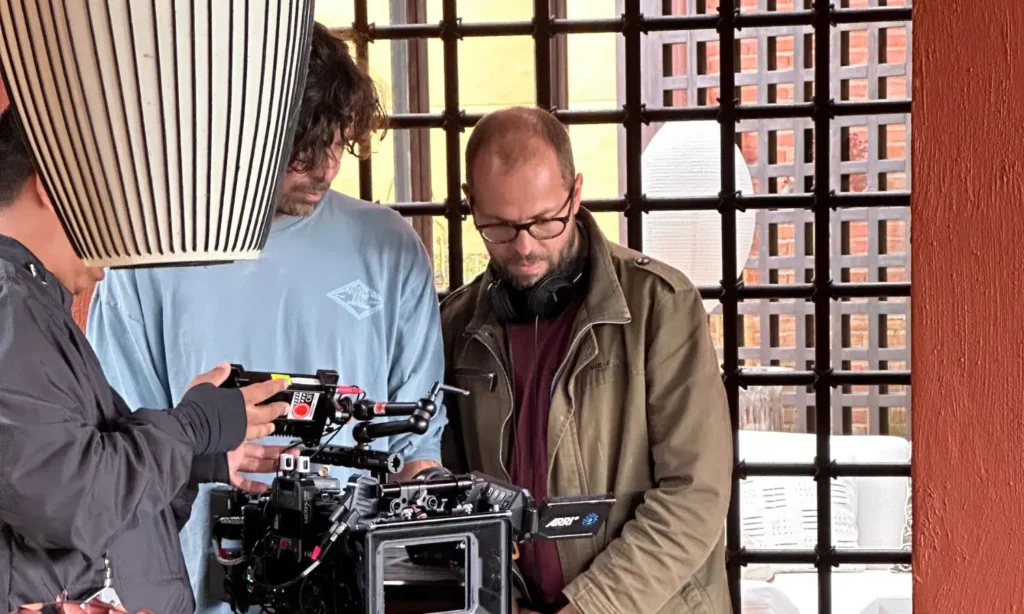
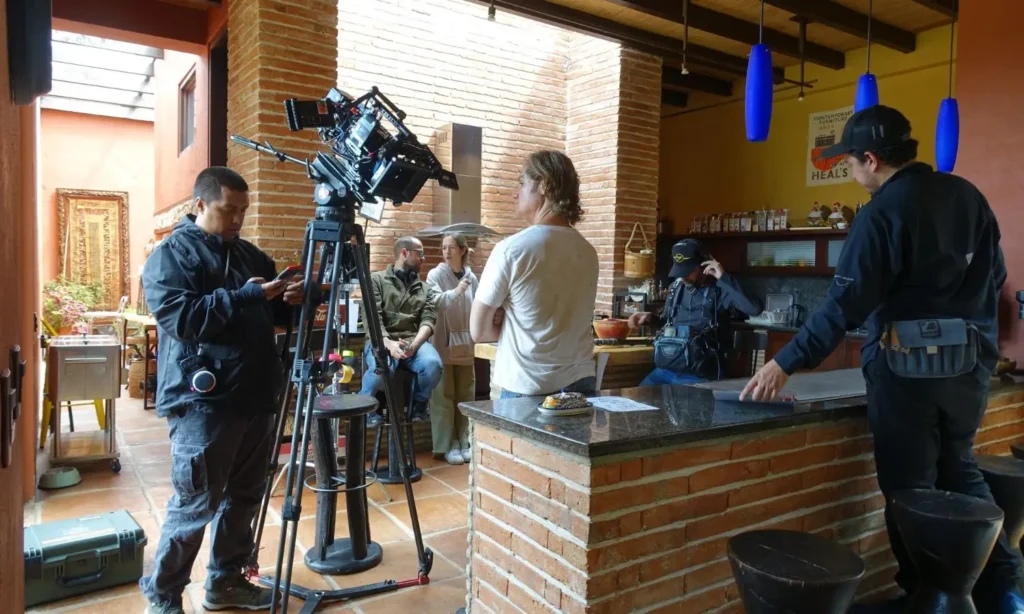
Known for his meticulous framing and patient pacing, Borda favors natural light, muted palettes, and sound design that amplifies emotional undercurrents. In Devil’s Breath, he uses confined spaces — a dim ranch house, a cluttered writing room, the echo of a closed door — to build tension organically rather than through spectacle.
Every shot is intentional, drawing viewers closer until the film feels less like a story and more like an experience they’re trapped inside.
Collaborating with cinematographer Luis Ricardo Hernández, Borda crafted a visual language of contrasts — warmth against isolation, beauty against dread. The result is a film that feels both intimate and cinematic, personal and mythic.
Throughout production, Borda encouraged improvisation from the cast, giving actors freedom to explore their characters’ guilt and longing in real time. Many key emotional beats were discovered on set — spontaneous moments between Luna Baxter, Laura Alonso, and Rob E. Angelino that blurred the line between script and reality.
He is known for his immersive directing style — often filming rehearsals as if they were final takes to capture raw emotion. This method gave Devil’s Breath its natural tension: every scene feels like a confession waiting to collapse.
Every shot is intentional, drawing viewers closer until the film feels less like a story and more like an experience they’re trapped inside.
Collaborating with cinematographer Luis Ricardo Hernández, Borda crafted a visual language of contrasts — warmth against isolation, beauty against dread. The result is a film that feels both intimate and cinematic, personal and mythic.